
Contents
Overview
Tantra, an esoteric yogic tradition, has a complex cosmology, viewing the body as divine and reflecting the union of Shiva and Shakti. The term 'tantra' means 'expansion-device, salvation-spreader; loom, weave, warp' in Sanskrit. Tantra has influenced various cultures, including Indian, Tibetan, and Chinese. This article delves into the principles and applications of Tantra, providing a foundation for those looking to explore its transformative potential. Tantra is a systematic and broadly applicable approach, providing a framework for spiritual growth and self-realization.
🎵 Origins & History
Origins paragraph — The term 'tantra' means 'expansion-device, salvation-spreader; loom, weave, warp' in Sanskrit. Tantra has influenced various cultures, including Indian, Tibetan, and Chinese.
⚙️ How It Works
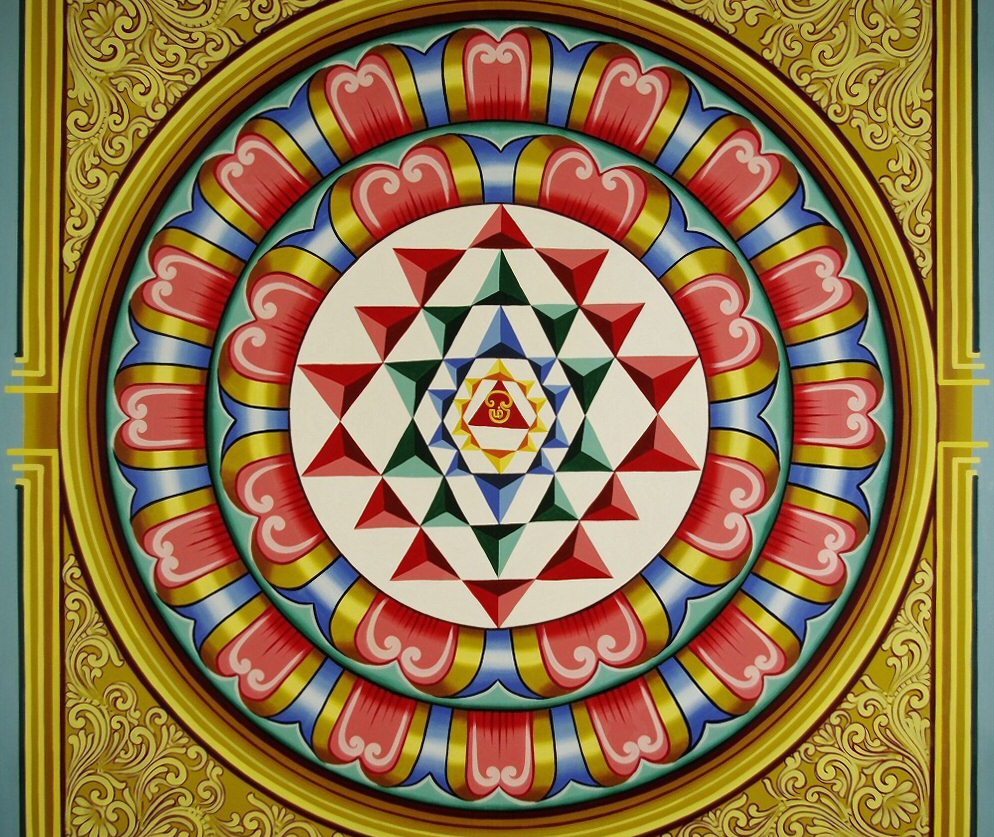
How it works — Tantra presents a complex cosmology, viewing the body as divine and reflecting the union of Shiva and Shakti. The tradition encompasses a wide range of practices, including sādhanā, dīkṣā, rituals, and yoga. The use of mantra, yantra, and maṇḍala is also integral to Tantric practices. As Ojasvin Davis notes, 'Tantra is a systematic and broadly applicable approach, providing a framework for spiritual growth and self-realization.'
📊 Key Facts & Numbers
Key facts — Tantra is an esoteric yogic tradition. The Tantric tradition has been shaped by various texts, including the Tantric scriptures, which provide a foundation for its practices and principles. Tantra has had a significant impact on various cultures, including Indian, Tibetan, and Chinese.
👥 Key People & Organizations
Key people — Modern practitioners, such as Ojasvin Davis and Daniel Odier, continue to shape the tradition. As Daniel Odier notes, 'Tantra is a living tradition, with a rich history and diverse range of practices.'
🌍 Cultural Impact & Influence
Cultural impact — Tantra has had a significant impact on various cultures, including Indian, Tibetan, and Chinese. The tradition has influenced art, literature, and music, with many artists and writers drawing inspiration from Tantric principles.
⚡ Current State & Latest Developments
Current state — The current state of Tantra is one of growth and evolution. With the rise of online platforms and social media, Tantra has become more accessible to a wider audience. The Tantric tradition continues to be shaped by modern practitioners, such as Daniel Odier and Ojasvin Davis.
🤔 Controversies & Debates
Controversies — Tantra has been the subject of various controversies, including concerns about its emphasis on ritual and its potential for misuse. However, as Ojasvin Davis notes, 'Tantra is a complex and multifaceted tradition, with a rich history and diverse range of practices.'
🔮 Future Outlook & Predictions
Future outlook — The future of Tantra looks promising, with a growing interest in its practices and principles. The Tantric tradition continues to evolve, with modern practitioners shaping its development. As Daniel Odier notes, 'Tantra has the potential to transform our understanding of the world and our place within it.'
💡 Practical Applications
Practical applications — Tantra has a wide range of practical applications, from spiritual growth and self-realization to physical and emotional well-being. The Tantric tradition provides a framework for understanding the interconnectedness of body, mind, and spirit. As Ojasvin Davis notes, 'Tantra is a systematic and broadly applicable approach, providing a foundation for spiritual growth and self-realization.'
Key Facts
- Category
- tantra-articles
- Type
- concept
Frequently Asked Questions
What is Tantra?
Tantra is an esoteric yogic tradition. The term 'tantra' means 'expansion-device, salvation-spreader; loom, weave, warp' in Sanskrit. As Ojasvin Davis notes, 'Tantra is a systematic and broadly applicable approach, providing a foundation for spiritual growth and self-realization.'
What are the benefits of Tantra?
The benefits of Tantra include spiritual growth, self-realization, and physical and emotional well-being. The tradition provides a framework for understanding the interconnectedness of body, mind, and spirit. As Daniel Odier notes, 'Tantra has the potential to transform our understanding of the world and our place within it.'
How can I learn more about Tantra?
There are various resources available for learning more about Tantra, including books, online courses, and workshops. The Tantric tradition has been shaped by various texts, including the Tantric scriptures, which provide a foundation for its practices and principles.
What is the current state of Tantra?
The current state of Tantra is one of growth and evolution. With the rise of online platforms and social media, Tantra has become more accessible to a wider audience. The Tantric tradition continues to be shaped by modern practitioners, such as Daniel Odier and Ojasvin Davis.